Following Jesus Across the Lines
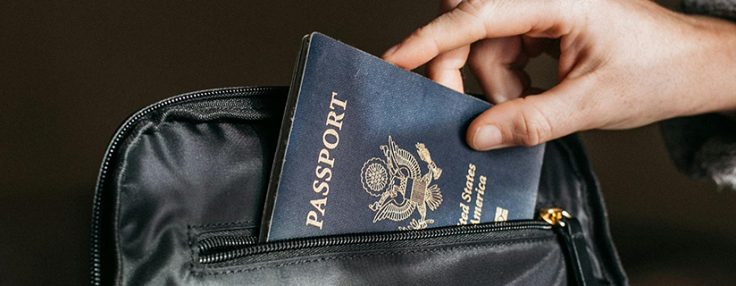
Recently, one of our mission teams sat in a long care line at the U.S.–Mexico border, passports in hand. It was hot, loud, and full of anticipation. For some, it was their first time leaving the country. For others, it was just another stamp. Sadly, you don’t even get a stamp anymore crossing from Mexico into the U.S. as a group, but that’s beside the point. Each of us had to present proof—our passport—to enter. Without it, we wouldn’t have access.
That trip gave us more than an opportunity to serve—it gave us a powerful picture of the gospel. It served as a formative experience for our church members, a life-changing week for a single mom and her three kids, and a beautiful connection with a local church pastor in Mexico.
In Mark 7:24–37, Jesus does something unusual. He leaves the familiar borders of Israel and enters Tyre and Sidon—Gentile territory. He wasn’t going there to preach or perform miracles. He was trying to rest. But even in retreat, Jesus cannot be hidden. A desperate Gentile woman finds Him, begs Him to heal her daughter, and through her humble faith, the door to the kingdom swings wide open.
This isn’t just a healing story—it’s a boundary-breaking moment. Jesus steps into a foreign land, ministers to an outsider, and affirms a faith that even His disciples were struggling to understand. Then, in the region of the Decapolis—still outside Israel—He heals a man who couldn’t hear or speak, restoring not just his body, but his dignity and place in the community.
The lesson? Jesus doesn’t require a passport. He crosses boundaries—geographic, cultural, spiritual—to bring hope to the least likely. And if He does, so should we. Our mission trip reminded me that passports don’t just grant access—they symbolize intent. We crossed the border not for adventure, but for mission. Jesus crossed into Tyre not for comfort, but for compassion.
So here’s the challenge: Where is Jesus calling you to cross a boundary? Maybe it’s across the street, across a lunchroom, or across an uncomfortable conversation. Maybe it’s across a border, like we did, passport in hand.
Because when Jesus moves toward the outsider, He invites us to follow.
And as those who’ve received the grace of God, not as insiders with credentials, but as Gentiles once far off, now brought near—we go. No one is so far gone that Jesus won’t cross a border to reach them.
He did it for a Canaanite woman. He did it for a deaf man. He did it for us.
Let’s carry hope—wherever Jesus leads.